+38 (067) 005-16-71


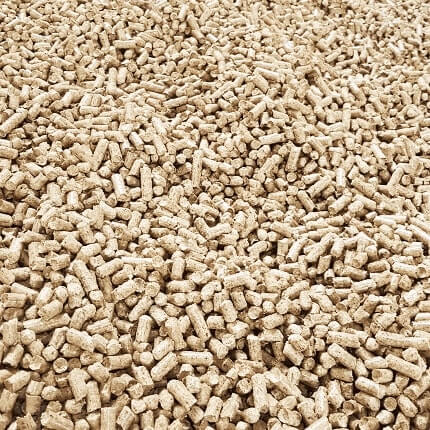

Pellets, bran (pellets) from wheat waste
Wheat waste pellets, bran (pellets) is a form of secondary fuel produced from wheat waste, such as straw, husks and other residues after grain harvesting. Wheat waste pellets have a high energy value and are a renewable fuel source.


Bran pellets from wheat waste are an environmentally friendly, cost-effective solution with versatile uses, including animal feed, fuel, food products, and filler. Predominantly utilized in animal husbandry, they nourish cattle, pigs, and poultry due to their rich nutrient profile.
In the context of fuel, with soaring wood pallet prices, bran pellets have emerged as a preferable alternative, significantly reducing heating costs. Although their calorific value slightly trails that of wood pallets, their substantially lower price compensates for this difference. Bran pellets have a higher ash content, around 5-6% compared to wood pallets. However, combustion tests reveal that they burn fully without undergoing sintering.
Our company produces bran pellets with diameters of 6-12 mm, catering to the majority of private households using solid fuel boilers operating on pellets. These pellets originate from flour milling by-products, including grain casings.
Here are the combustion characteristics of our product:
- Diameter: 6-12 mm
- Volumetric (bulk) weight: 500 kg/m3
- Mass fraction of moisture and volatile matter: Up to 14%
- Ash content: 5.2%
- Calorific value (the lowest): 3850 kcal/kg
With this versatile product, you can not only ensure a nutritious diet for your livestock but also secure an eco-friendly, affordable heating solution for your household.
The product has the following combustion values:
- diameter: 6-12 mm;
- volumetric (bulk)
- weight: 500 kg/m3;
- mass fraction of moisture and volatile matter: up to 14%
- ash content: 5,2%
- calorific value (the lowest): 3850 kcal/kg
Delivery


Payment


PRODUCTION


PRODUCT FEATURES
- Environmental friendliness: made from renewable plant resources
- High energy efficiency: high heat output and high combustion rate
- Controlled quality: manufactured according to standards, which ensures uniformity and stability of product quality
- Ease of use: they have the same shape, size and humidity, which contributes to their easy and trouble-free use in heating systems
- Convenient storage: they take up less space than traditional fuels
- Low ash content: facilitates the cleaning process during combustion and reduces the negative impact on heating systems
- High moisture content: firewood or coal may have high moisture content, which reduces their energy efficiency and requires more time to burn
- Low energy content: firewood may have a lower energy value, requiring more fuel to produce heat
- High contamination: coal can contain a lot of ash and other harmful substances that can have a negative impact on the environment
- Heavy storage and transportation: firewood or coal can be heavy and bulky to store and transport
Why choose us?

All products are certified

Versatile for all types of boilers

High level of heat
Recommended products

Briquet wood Nestro

Sunflower pellette