+38 (067) 005-16-71


Wood pellet
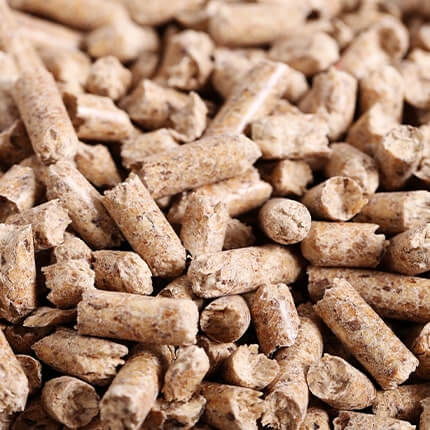
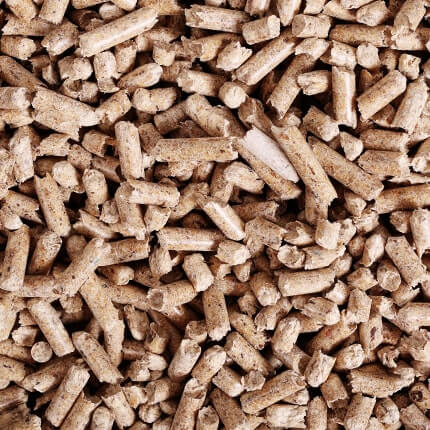
Wood pellets (pellet) is an environmentally friendly type of fuel.
In the process of their production, foreign materials (such as glue and plastics) are not allowed, which considerably increases the service life of the heating equipment.


Wood pellets from Krona Impulse offer an eco-friendly alternative to conventional fuels, derived from waste byproducts of the wood processing industry. They can be used across various contexts from utility boilers and households to industrial plants.
Produced from hardwood, softwood, and bark waste such as shavings, trimmings, croaker, and sawdust, these pellets boast high calorific values. Our pellets come in several types: Premium pellets that outperform gas by 2.5 times with an ash content of 0.5%, Wood Pellet A1 and A2 with gas efficiency of 2.41 and 2.1 times respectively, and Industrial Pellet that’s 1.9 times more efficient than gas.
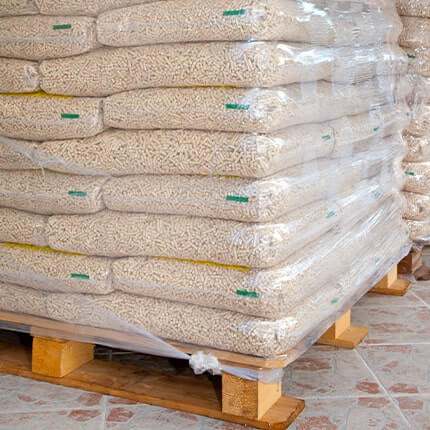
The production process involves six meticulously followed stages, starting from the preparation of raw materials to packaging the final product. The result is a high-density, durable biofuel that’s easy to transport and ideal for automatic fuel supply boilers.
As leaders in the Ukrainian biofuel market, we at Krona Impulse promise prompt deliveries, thanks to our sophisticated logistics and widespread transshipment points. We strive to meet your energy needs, offering you a sustainable, efficient fuel solution at an affordable price.
| Product name | Effectiveness | Ash content |
|---|---|---|
| Premium wood pellets | More effective than gas 2.5 times | Ash content up to 0.5%. Diameter – 6mm. |
| Wood pellet A1 | More effective than gas in 2.41 times | Ash content 0.7%. Diameter – 6 and 8 mm. |
| Wood pellet A2 | More efficient than gas in 2.1 times. | Ash content 1.5%. Diameter – 6 and 8 mm. |
| Industrial pellet | More effective than gas in 1.9 times | Ash content 3.0%. Diameter – 8 mm. |
Delivery


Payment


PRODUCTION


PRODUCT FEATURES
- Environmentally friendly and renewable
- High combustion efficiency
- Lightness and ease of use
- Economic affordability
- Multifunctionality
- Environmental pollution
- Low combustion efficiency
- High transportation and storage costs
- Limited renewability of resources
- High costs for fuel materials
Why choose us?

All products are certified

Versatile for all types of boilers

High level of heat
Recommended products

Sunflower pellette
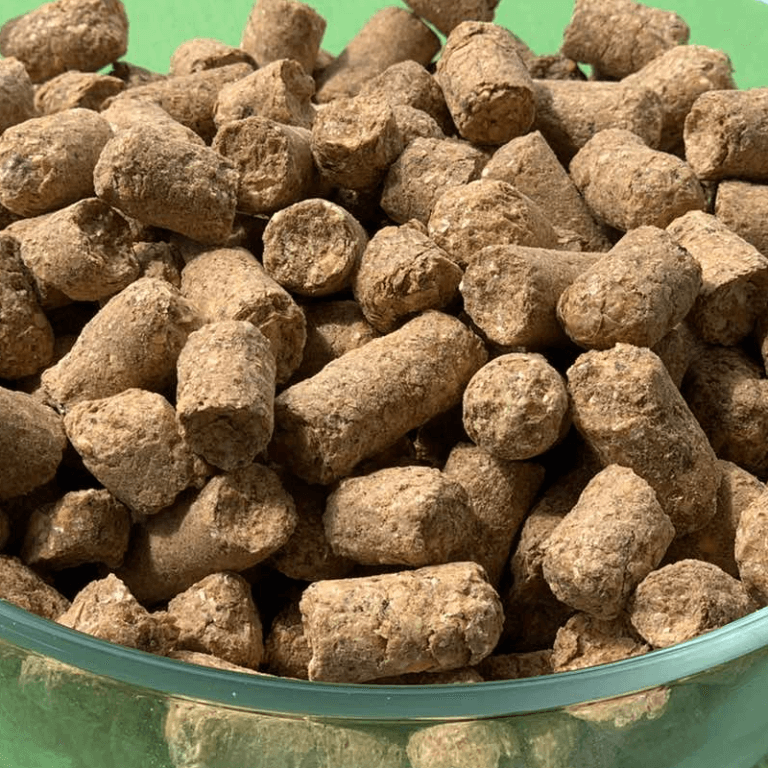
Pellets from corn waste